Dachshund Puppy Health Guide (2026)

Healthy Dachshund Puppies Start Long Before Adoption

Bringing home a Dachshund puppy is exciting, but good health begins long before your puppy arrives at your home. Responsible breeding, proper veterinary care, early socialization, balanced nutrition, and preventive healthcare all play an important role in raising confident and healthy puppies.

This guide explains everything you should know about your puppy’s health before and after adoption. Whether you’re welcoming your first Dachshund or adding another companion to your family, understanding these essentials will help your puppy enjoy the best possible start in life.

Responsible Breeding Makes the Biggest Difference

A healthy puppy starts with healthy parents.


Responsible breeders carefully select breeding dogs based on health, temperament, and breed standards rather than appearance alone. Every litter should be planned with the long-term wellbeing of the puppies in mind.

Before puppies are born, responsible breeders focus on:

* Healthy breeding lines
* Excellent temperaments
* Proper nutrition during pregnancy
* Regular veterinary care
* Clean and stress-free environments
* Early neurological development
* Daily human interaction

These early foundations influence a puppy’s confidence, behavior, and lifelong health.

Learn more about our breeding philosophy on our About Us page.


Veterinary Health Checks

Every Dachshund puppy should receive professional veterinary examinations before joining a new family.

During these health checks, the veterinarian carefully examines the puppy’s:

* Heart
* Eyes
* Ears
* Mouth and teeth
* Lungs
* Abdomen
* Skin and coat
* Weight and body condition
* Mobility and movement
* Overall development

These examinations help identify any concerns early and ensure each puppy is healthy enough to begin life in a new home.

Before adoption, your puppy should receive a final veterinary health examination to confirm they are fit to travel.

Vaccinations

Vaccinations protect puppies against several serious infectious diseases while their immune system is still developing.

A puppy’s first vaccinations are usually given by the breeder according to veterinary recommendations. Depending on your puppy’s age when joining your family, they may already have received one or more vaccinations.

After adoption, your veterinarian will continue the vaccination schedule until your puppy is fully protected.

Vaccinations commonly protect against diseases such as:

* Distemper
* Parvovirus
* Adenovirus (Hepatitis)
* Parainfluenza
* Leptospirosis (depending on location)
* Rabies (where legally required)

Always follow your veterinarian’s recommended vaccination schedule.

Microchipping

A microchip provides permanent identification for your Dachshund puppy.

The tiny chip, placed safely beneath the skin, contains a unique identification number that can be read using a scanner.

If your puppy is ever lost, shelters and veterinary clinics can scan the microchip and help reunite you with your dog.

After bringing your puppy home, remember to register your contact details with the appropriate microchip database and keep your information updated whenever you move.


Deworming and Parasite Prevention

Young puppies are commonly treated for internal parasites during their first weeks of life.

Routine deworming helps protect your puppy from intestinal worms that may affect growth and overall health.

Your veterinarian will also advise you about:

* Flea prevention
* Tick prevention
* Heartworm prevention (where applicable)
* Ongoing parasite control

Continuing these treatments throughout your dog’s life is an important part of responsible ownership.

Nutrition for Healthy Growth

Proper nutrition supports every stage of a Dachshund puppy’s development.

Growing puppies require complete, balanced food specifically formulated for small-breed puppies. High-quality nutrition supports:

* Bone development
* Healthy muscles
* Brain development
* Immune function
* Healthy skin and coat
* Strong teeth

Avoid changing your puppy’s food suddenly. If switching brands, do so gradually over several days to avoid digestive upset.

Fresh drinking water should always be available.

Read our complete Dachshund Feeding Guide for age-specific feeding schedules and nutrition advice.


Exercise and Protecting the Growing Spine

Although Dachshunds enjoy being active, puppies should avoid excessive exercise while their bones and joints are still developing.

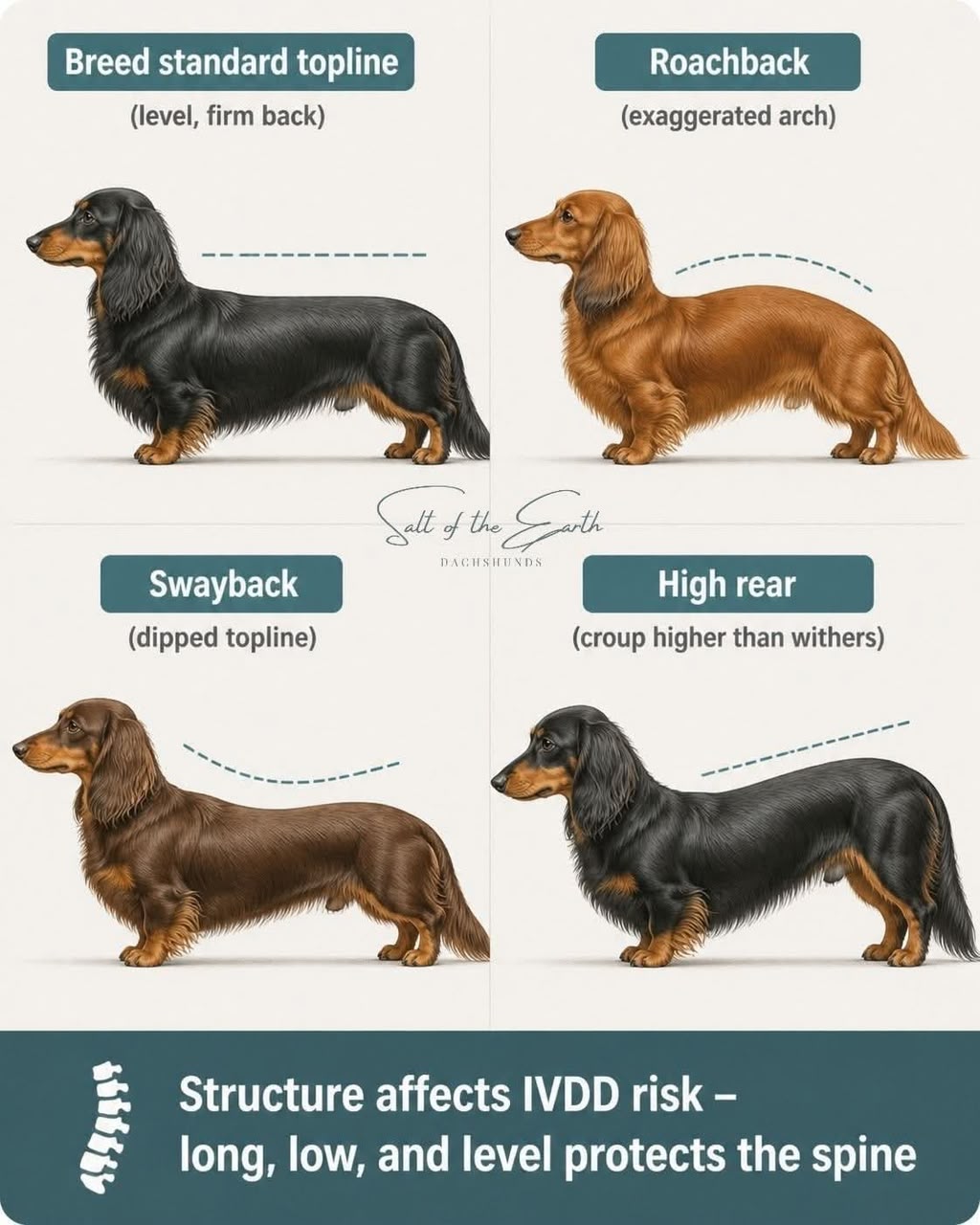
Because Dachshunds have long backs and short legs, protecting the spine during puppyhood is especially important.

Avoid:

* Repeated jumping from furniture
* Climbing large flights of stairs
* Overly strenuous exercise
* Long-distance running
* Slippery floors without traction

Instead, provide:

* Short walks
* Gentle play sessions
* Mental stimulation
* Supervised exploration
* Safe puppy toys


Mobirise Website Builder

Microchipping & Permanent Identification

Every Dachshund puppy should have a reliable form of permanent identification before joining their new family. A microchip is a small electronic chip, about the size of a grain of rice, that is safely implanted beneath the skin by a veterinarian. Each chip contains a unique identification number that can be scanned by veterinary clinics, animal shelters, and authorised professionals if your puppy is ever lost.

Unlike a collar or identification tag, a microchip cannot be removed or lost during daily activities, making it one of the safest ways to identify your dog throughout its lifetime.

Once your puppy arrives home, it is important to register the microchip using your own contact details and keep this information updated whenever your address or telephone number changes. Taking this simple step greatly increases the chances of being reunited with your Dachshund should they ever become lost.

Vaccinations

Vaccinations play an essential role in protecting Dachshund puppies while their immune systems continue to develop. During the first weeks of life, puppies receive temporary antibodies from their mother, but this natural protection gradually decreases, making vaccinations an important part of preventive healthcare.

Before leaving for their new homes, puppies receive age-appropriate vaccinations following veterinary recommendations. Depending on your puppy’s age at the time of adoption, additional vaccinations may still be required after you bring them home. Your veterinarian will provide a schedule to ensure your puppy receives complete protection.

Core vaccinations commonly protect against:

* Canine Parvovirus
* Canine Distemper
* Canine Adenovirus (Hepatitis)
* Parainfluenza
* Leptospirosis (where recommended)
* Rabies (where legally required)

Keeping vaccinations up to date throughout your Dachshund’s life helps protect both your own dog and the wider canine community from preventable diseases.


Deworming & Parasite Prevention

Healthy puppies require regular protection against internal and external parasites. During their early weeks, Dachshund puppies are routinely treated for intestinal worms as part of their normal healthcare programme. This helps support healthy growth, digestion, and overall development before they join their new families.

After adoption, your veterinarian will recommend an ongoing parasite prevention plan based on your puppy’s age, lifestyle, and local environment.

Routine preventive care may include:

* Regular deworming treatments
* Flea prevention
* Tick prevention
* Heartworm prevention (where applicable)
* Routine veterinary health checks

Following a consistent parasite prevention schedule is one of the simplest ways to protect your Dachshund throughout every stage of life.


Health Records & Documentation

Every responsible breeder should provide clear health records so your veterinarian can continue your puppy’s care without interruption. These documents provide a complete overview of the healthcare your puppy has already received before joining your family.

Depending on your puppy’s age and local regulations, you may receive:

* Veterinary health certificate
* Vaccination record
* Microchip information
* Deworming record
* Feeding recommendations
* Care instructions
* Pedigree documentation (where applicable)
* Puppy starter information

Keeping these records in a safe place makes future veterinary visits easier and provides an accurate health history throughout your Dachshund’s life.


Why Preventive Healthcare Matters

The healthiest Dachshunds are not simply treated when they become ill—they benefit from consistent preventive care throughout their lives. Regular veterinary examinations, vaccinations, parasite prevention, balanced nutrition, and routine health monitoring all work together to reduce the risk of future health problems and support long-term wellbeing.

Starting with a responsibly bred puppy and continuing with proactive healthcare at home gives your Dachshund the strongest possible foundation for a long, active, and happy life.

Mobirise Website Builder

Dental Care

Looking after your Dachshund’s teeth should begin while they are still a puppy. Establishing good dental habits early helps reduce plaque build-up, maintain healthy gums, and lower the risk of dental disease as your dog grows older.

Brushing your puppy’s teeth several times a week using a dog-safe toothbrush and toothpaste is the most effective way to maintain good oral health. Dental chews and suitable chew toys can also help support healthy teeth, but they should be used alongside regular brushing rather than as a replacement.

During routine veterinary visits, your veterinarian will examine your Dachshund’s teeth and advise if professional cleaning is needed. Healthy teeth contribute not only to fresh breath but also to your puppy’s overall wellbeing and quality of life.


Grooming Is Part of Good Health

Regular grooming is about much more than keeping your Dachshund looking tidy. It provides an opportunity to monitor your puppy’s overall health while building trust through gentle handling.

As you brush your puppy, take time to check for:

* Healthy skin with no redness or irritation
* A clean, shiny coat
* Clear eyes without discharge
* Clean ears with no unpleasant odour
* Nails that are kept at a comfortable length
* Small cuts, lumps, or parasites

Smooth-Haired Dachshunds generally require minimal brushing, while Long-Haired Dachshunds benefit from more frequent grooming to prevent knots and tangles. Regardless of coat type, regular grooming helps identify small health concerns before they become bigger problems.

 Learn how often to brush, bathe, trim nails, and care for each coat type in our Complete Grooming Guide.


Recognizing the Signs of a Healthy Puppy

Knowing what a healthy Dachshund puppy looks like allows you to recognize changes quickly and seek veterinary advice when needed.

A healthy puppy should have:

* Bright, clear eyes
* Clean ears
* A soft, healthy coat
* Pink gums and clean teeth
* A healthy appetite
* Plenty of energy during play
* Comfortable movement without limping
* Steady growth and healthy body condition
* Curiosity and confidence in familiar surroundings

If your puppy develops vomiting, diarrhea, coughing, breathing difficulties, loss of appetite, unusual tiredness, or sudden changes in behavior, contact your veterinarian promptly. Early treatment often leads to better outcomes and helps prevent minor concerns from becoming more serious.


Your Responsibility After Adoption

Our responsibility is to give every Dachshund puppy the healthiest possible start through responsible breeding, veterinary care, and early socialization. Once your puppy joins your family, that responsibility continues with you.

Providing high-quality nutrition, regular veterinary check-ups, appropriate exercise, consistent training, grooming, and a safe home environment all contribute to your puppy’s lifelong health. Building positive daily routines from the beginning also helps your Dachshund feel secure, confident, and well adjusted.

Every small investment you make in your puppy’s health today helps lay the foundation for many happy years together.


A Healthy Start Creates a Lifetime Companion

Healthy Dachshund puppies are the result of responsible breeding, professional veterinary care, and owners who remain committed to their dog’s wellbeing throughout every stage of life. While vaccinations, microchipping, and health checks provide an excellent beginning, lifelong care is what allows your Dachshund to thrive.

Whether you’re preparing for your very first puppy or welcoming another Dachshund into your family, understanding their health needs gives you the confidence to make informed decisions and provide the care they deserve.

If you’re ready to take the next step, we invite you to explore our Available Puppies to meet the Dachshunds currently looking for loving homes, or visit our Upcoming Litters to see future planned litters. You can also learn exactly what to expect by reading our Adoption Process, where we explain every step from reservation to your puppy’s arrival.


Continue Learning

Continue exploring our Dachshund guides to help you raise a healthy and confident companion:

* Complete Feeding Guide – Learn what to feed your Dachshund from puppyhood to adulthood.
* Complete Training Guide – Build good habits, confidence, and positive behavior from day one.
* Complete Grooming Guide – Discover coat care, nail trimming, ear cleaning, and seasonal grooming tips.
* Long-Haired vs Smooth-Haired Dachshunds – Compare both coat types to find the best fit for your lifestyle.
* Adoption Process – Understand what your puppy receives before coming home and how the adoption journey works.
Got Questions?

With responsible breeding, proper nutrition, regular veterinary care, and healthy weight management, Dachshunds typically live 12-16 years, with many enjoying even longer lives. Genetics, preventive healthcare, and protecting the spine throughout life all play an important role in longevity

While no breeder can guarantee a puppy will never develop a health condition, responsible breeding greatly improves the chances of producing healthy puppies. Selecting suitable breeding dogs, monitoring bloodlines, providing excellent prenatal care, and raising puppies in a healthy environment all contribute to giving each puppy the strongest possible start in life

Many owners choose pet insurance while their puppy is still young, as policies often provide broader coverage before any medical conditions develop. so comparing policies early can help protect againsts unexpected veterinary expenses later in you'r dogs life

Yes. maintaining good body weight, providing regular exercise, feeding a balanced diet, and attending routine veterinary check ups, protecting the spine health, and keeping vaccinations and parasite prevention up to date are some o the most effective ways to support your Dachshund's longterm wellbeing

Lorem ipsum dolor sit amet, consectetur adipiscing elit. Fusce vestibulum laoreet tincidunt. Proin et sapien scelerisque, ornare lectus eget, iaculis lectus. Pellentesque viverra molestie tortor. Nunc sed interdum est, in maximus diam. Donec eu tellus dictum, gravida velit et, sagittis arcu. Proin et lectus dapibus. Cras fringilla elit velit placerat tortor mollis cursus.

The Dachshund Paradise