Feeding Your Dachshund for a Healthy and Happy Life

Feeding your Dachshund is about much more than filling a bowl. A balanced diet supports healthy growth, strong muscles, proper bone development, brain function, digestion and long-term health. Because Dachshunds have a long spine and relatively short legs, maintaining a healthy body weight is especially important. Even a small amount of extra weight places unnecessary strain on the back and joints, increasing the risk of future health problems.

As responsible Dachshund breeders, we encourage owners to establish healthy feeding habits from the day their puppy arrives home. A consistent routine, quality nutrition and correct portion sizes will help your puppy develop into a healthy adult while making meal times predictable and enjoyable. The advice below explains the essential feeding practices every Dachshund owner should understand.


Choosing the Right Food

Not every dog food is suitable for a growing Dachshund puppy. Look for a complete puppy food that is formulated for small breeds and provides balanced levels of protein, healthy fats, vitamins and minerals. Puppies require more energy than adult dogs because they are growing rapidly, developing muscles and building strong bones.

When changing to a new food, introduce it gradually over seven to ten days by mixing small amounts with the current diet. A sudden change can upset your puppy’s digestive system and lead to loose stools or stomach discomfort. Once your Dachshund settles well on a quality diet, frequent food changes are usually unnecessary unless recommended by your veterinarian.


Feeding Schedule by Age

A Dachshund puppy’s feeding routine changes as they grow. Younger puppies need smaller meals more often because their stomachs are still developing and they burn energy quickly throughout the day.

8–12 weeks: Four small meals each day.

3–6 months: Three meals each day.

6–12 months: Two meals each day.

Adult Dachshunds: Two balanced meals daily are usually sufficient.

Try to feed your puppy at similar times every day. Regular meal times help with digestion, create a predictable routine and can also support toilet training because puppies often need to relieve themselves shortly after eating.


Portion Control and Healthy Weight


The correct portion depends on your puppy’s age, weight, activity level and the type of food you feed. Always use the feeding guide provided by the food manufacturer as a starting point, then adjust according to your puppy’s body condition rather than simply following the label without observation.

Your Dachshund should have a visible waist when viewed from above and you should be able to feel the ribs without pressing firmly. If your puppy begins gaining excess weight, reduce treats before reducing complete meals. Maintaining a healthy body condition throughout life is one of the simplest ways to support spinal health and reduce unnecessary pressure on the back.

Mobirise Website Builder

Healthy Treats and Rewards

Treats are an excellent training tool when given in moderation. Small rewards encourage positive behaviour and help puppies learn quickly during training sessions. However, treats should never replace a complete, balanced diet.

Choose treats made specifically for puppies or offer healthy alternatives in small amounts when appropriate. Keep treats to around ten percent of your dog’s daily calorie intake. Overfeeding treats is one of the most common reasons dogs become overweight, even when their main meals are properly measured.


Fresh Water Every Day


Fresh, clean drinking water should always be available throughout the day. Proper hydration supports healthy digestion, body temperature regulation, circulation and overall organ function.

Wash your puppy’s water bowl daily to prevent bacteria from building up and refill it with clean water several times each day. During warm weather or after exercise, monitor your Dachshund closely to ensure they drink enough to stay properly hydrated.


Foods Your Dachshund Should Avoid


Some everyday foods that are safe for people can be dangerous for dogs. Chocolate, onions, garlic, grapes, raisins, alcohol, caffeine, xylitol (often found in sugar-free products) and cooked bones should never be given to your Dachshund because they may cause serious illness or injury.

Avoid feeding large amounts of fatty table scraps, heavily seasoned foods or leftovers from family meals. These foods may upset digestion and encourage unhealthy eating habits. If you are ever unsure whether a particular food is safe, it is always better to avoid it until you receive professional advice.


Signs Your Dachshund Is Eating Well


A healthy Dachshund should have consistent energy levels, maintain a healthy weight and produce firm, regular stools. A shiny coat, healthy skin and good muscle condition are also positive signs that your puppy is receiving appropriate nutrition.

Loss of appetite, repeated vomiting, persistent diarrhoea, sudden weight loss or noticeable weight gain should never be ignored. These changes may indicate dietary problems or underlying health conditions that require veterinary attention.


Our Feeding Philosophy


Every Dachshund puppy we raise follows a consistent feeding routine from an early age. We believe that good nutrition is one of the foundations of responsible breeding because healthy puppies begin with healthy feeding habits.

When our puppies leave for their new homes, we provide guidance on their current diet and feeding schedule to help owners continue the same routine during the transition. Maintaining familiar meals during the first days reduces unnecessary stress and helps puppies settle into their new family more comfortably.
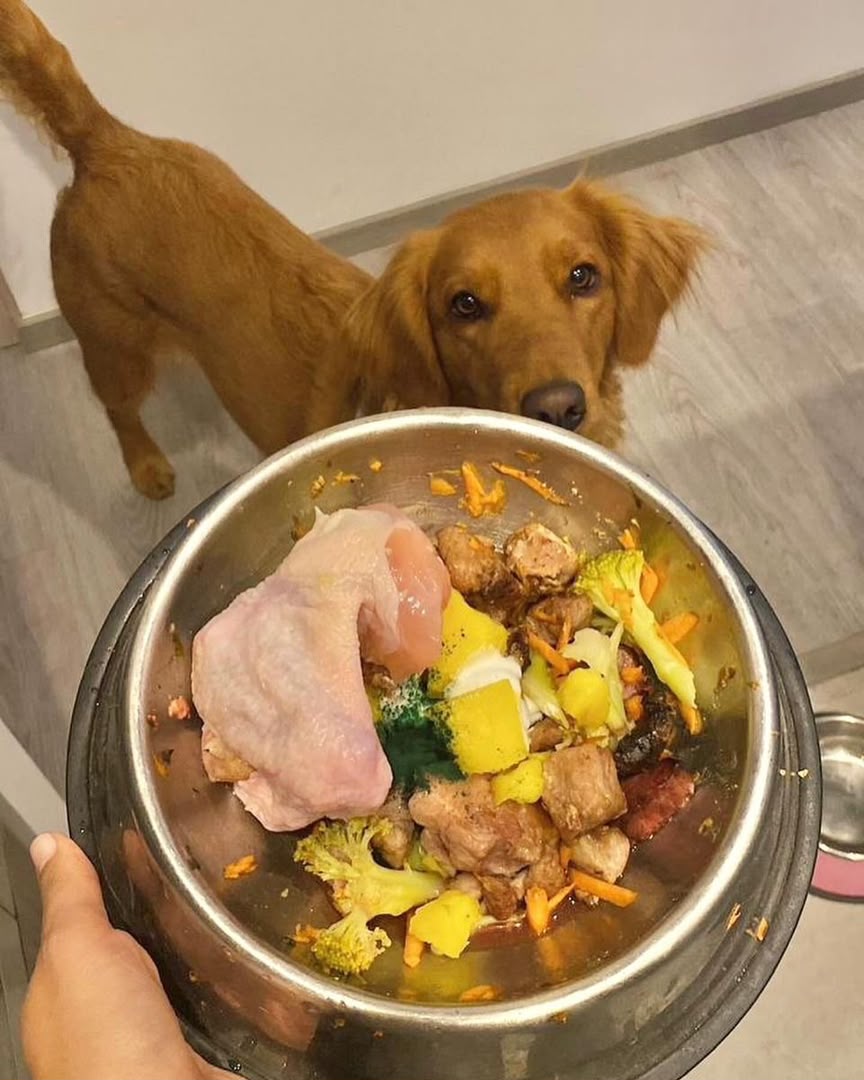
How to manage feeding when your Dachshund gains or loses weight

Feeding should also be adjusted as your Dachshund grows and their individual needs change. A puppy’s nutritional requirements will differ from those of an adult, while activity level, age and body condition can also affect how much food they need. Rather than relying on weight alone, owners should regularly monitor their Dachshund’s body condition and discuss significant changes with their veterinarian. The World Small Animal Veterinary Association (WSAVA) Global Nutrition Guidelines⁠ provide evidence-based resources on nutritional assessment, body-condition scoring and individualised nutrition planning for dogs.

Feeding during stressful changes and new environments

When a Dachshund first arrives in a new home, changes in environment, routine, people, smells and feeding arrangements can temporarily affect appetite. The owner shouldn’t immediately assume that refusing one meal means the food is unsuitable.

The better approach is to keep the puppy’s initial feeding routine as consistent as possible, provide a quiet feeding area and avoid overwhelming the puppy with numerous new foods or treats during the first few days. Once the puppy has settled, dietary changes can be introduced gradually if necessary. Owners should pay attention to the overall pattern of eating, drinking, energy and behaviour rather than reacting to a single missed meal.

Changing your Dachshund’s food safely

Owners may change food when bringing a puppy home, moving from puppy to adult food, switching brands, responding to a dietary intolerance, or following veterinary advice.

Rather than changing food abruptly, introduce the new food gradually while reducing the old food over several days. A practical transition can begin with mostly the current food and a smaller amount of the new food, gradually increasing the new food until the change is complete. Monitor stool consistency, appetite, energy and any digestive changes throughout the transition. If significant vomiting, persistent diarrhoea, refusal to eat or other concerning symptoms occur, the transition should be stopped and veterinary advice sought.

Recently asked Questions?

A Temporary change in appetite can occur for several reasons, including stress, environment changes, or routine adjustments. However, if your puppy refuses food for an extended period, appears unwell, or develops additional symptoms, contact your veterinarian for profesional advice

Yes. but dietary changes should always be introduced gradually over several days to help avoid digestive upset. If changing food, transition slowly by mixing increasing amounts of the new food with the previous diet until the change is complete.

Not necessarily. Dachshunds are well known for having enthusiastic appetites and may continue asking for food even after eating. Overfeeding increases the risk of obesity and unnecessary strain on the spine, so its important to follow appropriate feeding guidelines rather than appetite alone.

The Dachshund Paradise